How Aluminum and Steel Rivets Serve Different Structural Needs
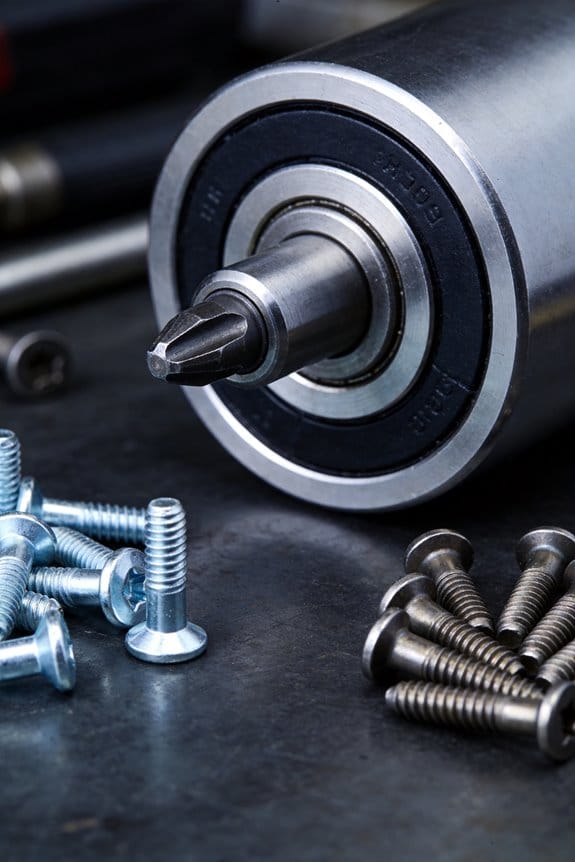
Aluminum vs steel rivets: learn which gives more strength, weight savings, and corrosion options—pick the right rivet for your project and get practical sizing tips now.

Aluminum vs steel rivets: learn which gives more strength, weight savings, and corrosion options—pick the right rivet for your project and get practical sizing tips now.
Environmental durability matters for rivets—prevent loosening, corrosion, and failures by choosing the right materials and seals. Learn practical selection tips.

How weather exposure shapes rivet selection: pick stainless, galvanized, or sealed rivets to prevent corrosion and failure — learn practical tips now.

Why renewable energy projects favor durable rivet materials: prevent failures from corrosion, vibration and load—learn selection and installation tips now.

How surface coatings influence rivet life: thin zinc‑nickel or Almac® slow corrosion and alter install friction—choose wisely and run tests. Learn how.

Corrosion‑resistant rivets protect joints from salt spray and fumes—use 316/5056, closed‑end, and isolators for long life. Learn how to choose and install.

Stainless rivets resist pitting and corrosion in salt and washdown environments, extending life and cutting maintenance—learn how to pick and install them.

How material choice affects blind riveted joints—match metals, prevent corrosion, and optimize strength and fatigue. Learn simple rules to pick right now.

Rivet material matters: match aluminum, steel, stainless, titanium or copper to strength, weight and corrosion needs—get clear choices and pick one now.

Corrosion resistance matters for outdoor fasteners — learn which metals, coatings and inspections keep joints from failing in C3–C5 conditions. Learn more.