Why Lower Vibration Is Becoming More Important in Fastening Tool Design
Lower vibration in fastening tools prevents hand‑arm injury, improves control, cuts rework and noise—learn practical specs and test steps. Get started now.

Lower vibration in fastening tools prevents hand‑arm injury, improves control, cuts rework and noise—learn practical specs and test steps. Get started now.
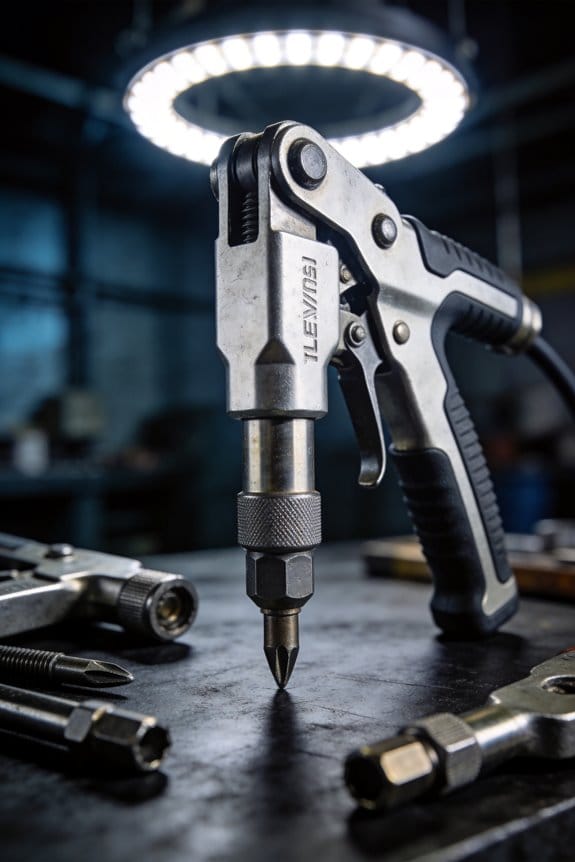
Ergonomic rivet gun design cuts fatigue, errors, and injury by improving balance, grip, and vibration control—learn practical specs and steps now.
Tool storage tips: place top tools 10–18" away, label and sequence for faster picks—cut minutes into hours and save money. Try these fixes now.

Grip shape and trigger feel in riveting cut fatigue and boost consistency—learn quick checks and fixes to improve comfort and accuracy. Try these tips.

Mandrel collection systems trap dust at the source, keeping work areas cleaner and filters lasting longer—learn practical design tips and get started now.

Safer rivet installation tips: prioritize PPE, ventilation, and sharp disposal for cleaner, stronger joints—learn practical steps and start improving your installs.

Mandrel jams plague rivet tool users — learn quick checks, cleaning, nosepiece sizing, jaw replacement, and pressure tips to prevent them. Get started now.

Quieter cordless rivet guns cut fatigue and missed fasteners by lowering noise and vibration—see how they boost safety and productivity. Learn more.

Repetitive-motion concerns affect fastening tool trends—learn which tool features, grips and routines cut injury and rework risk. Get practical tips now.

Operator fatigue affects rivet tool selection—match tool, grip and breaks to reduce strain and defects. Track rivets/hour and symptoms; start improving now.