As an Amazon Associate, we earn from qualifying purchases. Some links may be affiliate links at no extra cost to you. Although our opinions are based on curated research, we haven't used these products. Articles generated with AI.


10 Best Pin Nailer 23 Gauge Models Pros Recommend for Flawless Finishes

You’re on a ladder, balancing a trim piece against a narrow crown molding, and every taped corner, missing face frame, or tiny split threatens to ruin the room’s clean lines.
Or you’re in the shop with delicate cabinet parts where a single blown-through nail leaves a ruined veneer and a long repair job.
What separates a tool that delivers invisible, repeatable fastening from one that mangles parts are often overlooked choices: wrong fastener length, poor depth control or nose profile, and picking cordless vs. pneumatic without matching the work environment. Buyers also underestimate magazine capacity and lockout features.
This article reviews 10 top 23‑gauge pin nailer models chosen for reliability, depth control, nose access, and value.
By the end you’ll know which models suit ladders, heavy shop use, fine trim, or high-capacity runs and what specs to prioritize.
Key Takeaways
If you’re fitting delicate trim and worry about visible dents, pick a 23‑gauge pin nailer with a narrow nose and no‑mar tips so your finish stays clean and invisible. For anyone who moves around ladders or works long runs in the shop, decide between cordless brushless for freedom and pneumatic for steady, repeatable power. What makes this tool type stand out is matching magazine capacity and a pin length range (commonly 3/8″–1‑3/8″) to your project so you reload less and get the right holding strength. You get adjustable depth and shot controls plus sightlines or cross‑hair guides to help you place every pin exactly where it belongs without guessing. The model you pick should feel light in your hand; a roughly 2 lb body reduces fatigue when you’re doing hours of trim. The [model] solves annoying jams and fussy loading by offering reliable side, top, or bottom loading options and often ships with starter pins so you can get to work fast. Perfect for the DIYer who wants long‑term use, look for brands that include decent manufacturer support and a clear warranty so you can get help if something goes wrong.
| Ryobi 18V AirStrike 23-Gauge Headless Pin Nailer |  | Best Cordless Combo | Gauge: 23‑gauge | Fastener Length Range (max or supported): 1/2″ to 1‑3/8″ (max 1‑3/8″) | Power Source: Battery (18V Li‑ion) | VIEW LATEST PRICE | Read Our Analysis |
| BOSCH 18V Brushless 23-Gauge Pin Nailer (Bare) | 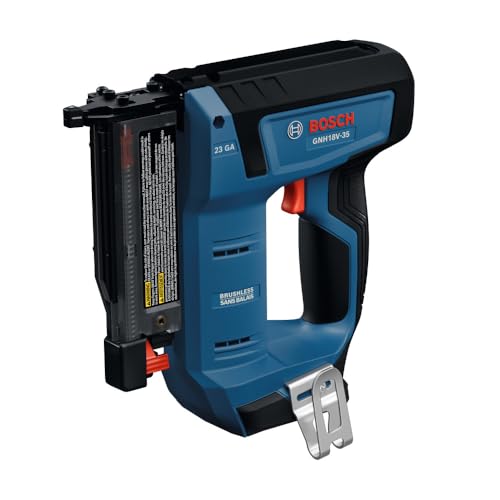 | Professional Precision | Gauge: 23‑gauge | Fastener Length Range (max or supported): up to 1‑3/8″ indicated (23GA finish pins) | Power Source: Battery (bare tool; uses Bosch 18V) | VIEW LATEST PRICE | Read Our Analysis |
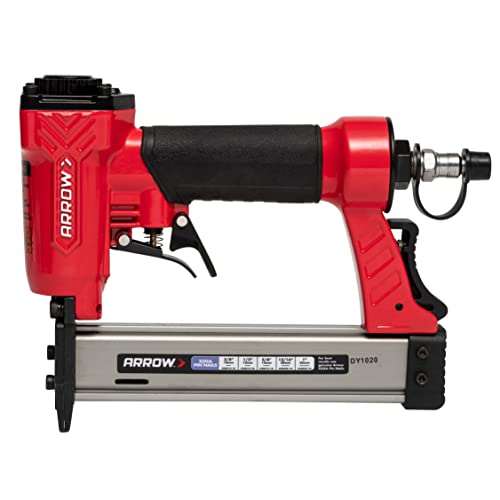
| Carpenter CP635 23-Gauge 1-3/8″ Pneumatic Pin Nailer |  | Reliable Workhorse | Gauge: 23‑gauge | Fastener Length Range (max or supported): 5/8″ to 1‑3/8″ | Power Source: Pneumatic (air) | VIEW LATEST PRICE | Read Our Analysis |
| Makita AF353 23 Gauge 1-3/8″ Pin Nailer, |  | Best Pneumatic Performance | Gauge: 23‑gauge | Fastener Length Range (max or supported): 5/8″, 11/16″, 3/4″, 1″, 1‑3/16″, up to 1‑3/8″ | Power Source: Pneumatic / corded air | VIEW LATEST PRICE | Read Our Analysis |
| Meite P630C 23-Gauge Pneumatic Pin Nailer |  | Lightweight Value | Gauge: 23‑gauge | Fastener Length Range (max or supported): 3/8″ to 1‑3/16″ (10–30 mm) | Power Source: Pneumatic (air) | VIEW LATEST PRICE | Read Our Analysis |
| ONEAND 18V Cordless AIRSTRIKE 23-Gauge PIN Nailer Tool ONLY | 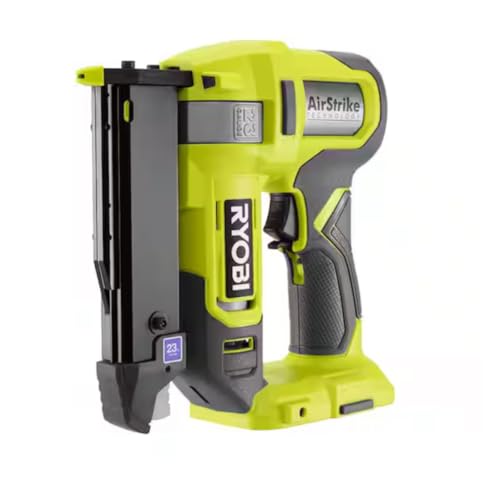 | Tool-Only Option | Gauge: 23‑gauge | Fastener Length Range (max or supported): (compatible with) 23GA up to ~1‑3/8″ (AirStrike spec) | Power Source: Battery (18V, tool only) | VIEW LATEST PRICE | Read Our Analysis |
| PIN NAILER CMPCT 20V 23G |  | High-Capacity Cordless | Gauge: 23‑gauge | Fastener Length Range (max or supported): 5/8″ to 1‑1/2″ | Power Source: Battery (20V brushless) | VIEW LATEST PRICE | Read Our Analysis |
| Grex P635L – 23 Ga Headless Pinner w/Auto Lock-Out & Edge Guide |  | Serviceable Precision | Gauge: 23‑gauge | Fastener Length Range (max or supported): 3/8″ to 1‑3/8″ | Power Source: Pneumatic (air) | VIEW LATEST PRICE | Read Our Analysis |
| NuMax SP123 Pneumatic 23-Gauge 1″ Micro Pin Nailer |  | Best For Crafts | Gauge: 23‑gauge | Fastener Length Range (max or supported): 15/32″ to 1″ | Power Source: Pneumatic (air) | VIEW LATEST PRICE | Read Our Analysis |
| KEENTECH 23-Gauge Pneumatic Pin Nailer with Nails |  | Complete Starter Kit | Gauge: 23‑gauge | Fastener Length Range (max or supported): 5/32″ to 1″ | Power Source: Pneumatic (air) | VIEW LATEST PRICE | Read Our Analysis |

More Details on Our Top Picks
Recommended Products

AWARD: Rated the Pro Preferred Nailer for 9 years running (2014 - 2022) by Builder and Developer Magazine
【Important Note Before Purchase】 - An air compressor is required for operation but is not included with the pin nailer. We offer a 3-year after-sales service with hassle-free replacements instead of repairs. Our 24-hour customer support team is always ready to assist you, ensuring a worry-free purchase! Additionally, the air inlet is a fixed standard 1/4" NPT fitting, designed for optimal performance and to prevent air leakage.
READY FOR ACTION: This power nailer is great for trim jobs, molding work, crafts, and hobby tasks that use headless pin nails; A lightweight compact design, overmold rubber grip, and exhaust cover that allows you to direct exiting air flow add comfort
VIEW LATEST PRICEAs an affiliate, we earn on qualifying purchases.
Ryobi 18V AirStrike 23-Gauge Headless Pin Nailer
If you’re doing trim or delicate finish work and worried about splitting thin moldings, this nailer drives 23‑gauge headless pins from 1/2″ to 1‑3/8″ so you can set small moldings, cabinetry trim, and tight joints without cracking the wood. The Ryobi 18V AirStrike P318 comes as an 18V lithium‑ion kit with one battery and charger, and it has a dry‑fire lockout that stops damage when you run out of nails. Short and simple.
For anyone who likes to work without being tethered to a compressor, the tool-free, cordless design gives you consistent nailing on ladders or in tight spaces so you can finish trim faster. The double‑action trigger supports sequential driving for controlled shots and an LED helps you see your target in dim corners. It’s comfortable to hold.
What makes this pin nailer stand out for weekend DIYers is the non‑marring pads and GripZone comfort, which protect finished surfaces and reduce hand fatigue during long sessions. You get reliable, repeatable placement without fuss.
- Gauge:23‑gauge
- Fastener Length Range (max or supported):1/2″ to 1‑3/8″ (max 1‑3/8″)
- Power Source:Battery (18V Li‑ion)
- Dry‑Fire / Low‑Nail Lockout:Dry‑fire lockout
- No‑Mar / Surface‑Protection Tip(s):Two non‑marring pads included
- Ergonomics / Compact Design:GripZone over‑mold for comfort; compact cordless design
- Additional Feature:Includes battery and charger
- Additional Feature:LED work light
- Additional Feature:GripZone over-mold
Recommended Products
Complete finish, trim, and remodeling work with this ATOMIC Compact Series 20V MAX* Brushless Cordless 23 Ga. Pin Nailer. The battery-powered nailer is designed to drive 23 Ga. pin nails measuring between 5/8 in. and 1-1/2 in. with its high-output brushless motor. Take advantage of cordless convenience as you seamlessly drive nails with no hoses, compressors, or gas cartridges required. Battery and charger not included.
VIEW LATEST PRICEAs an affiliate, we earn on qualifying purchases.
Complete finish, trim, and remodeling work with this ATOMIC Compact Series 20V MAX* Brushless Cordless 23 Ga. Pin Nailer. The battery-powered nailer is designed to drive 23 Ga. pin nails measuring between 5/8 in. and 1-1/2 in. with its high-output brushless motor. Take advantage of cordless convenience as you seamlessly drive nails with no hoses, compressors, or gas cartridges required.

Double-Action Trigger for Sequential Driving No Pneumatic Hose or Gas Cartridge Compatible with 1/2" to 1-3/8" 23 Gauge Headless Pin Nails Up to 750 Pin Nails Per Charge
BOSCH 18V Brushless 23-Gauge Pin Nailer (Bare)
If you need cordless, compressor-like driving power in tight spaces, the brushless motor and coil-spring system give you consistent sinking of delicate pins without a bulky air setup. It handles finish carpentry and hobby projects where precision matters.
For anyone who works on trim, cabinetry, or picture frames and hates pin placement that wanders, the narrow nose and precise pin guide help you drop pins exactly where you want them and two no-mar tips protect finished surfaces. You’ll like the 110-pin magazine so you reload less often.
What makes this 18V pin nailer stand out for shop or job-site use is the dry-fire lockout and toolless depth adjustment that keep your shots accurate and prevent those blank firings from ruining a piece. It’s compact and well balanced for one-handed control.
You get AMPShare compatibility so your existing Bosch batteries work with it without extra investment, and it comes with a five-year Bosch warranty for long-term peace of mind. Batteries sold separately.
- Gauge:23‑gauge
- Fastener Length Range (max or supported):up to 1‑3/8″ indicated (23GA finish pins)
- Power Source:Battery (bare tool; uses Bosch 18V)
- Dry‑Fire / Low‑Nail Lockout:Dry‑fire lockout (stops with ~4 nails left)
- No‑Mar / Surface‑Protection Tip(s):Two no‑mar contact tips included
- Ergonomics / Compact Design:Compact, well‑balanced, ergonomic design for reduced fatigue
- Additional Feature:Brushless 18V motor
- Additional Feature:110-pin magazine capacity
- Additional Feature:Belt hook (left/right)
Recommended Products
THE FLEX ADVANTAGE - 20% more power with 24V lithium, 25% longer runtime with THERMA-TECH heat management, up to 50% faster charging with high-power, dual fan chargers
Compatible with several sizes of fasteners: Unit works with 23-gauge pin nails from 5/8 in. up to 1-1/2 in. in length
Carpenter CP635 23-Gauge 1-3/8″ Pneumatic Pin Nailer
If you’re installing thin trim or working on delicate detail pieces and worry about splitting the molding, this pin nailer drives 23-gauge pins that won’t tear your work. It uses 5/8″–1-3/8″ pins so you can handle everything from tiny trim to slightly thicker stock. It’s light enough for extended use.
For anyone who hates tools that feel like they’ll wear out quickly, the heat-treated aluminum body keeps the weight down at about 3 pounds while staying tough against dings and day-to-day use. You get a rear exhaust that keeps debris off your work and a reversible hook so you can hang the tool when it’s not in use. It’s easy to clear jams thanks to the anodized magazine and simple access.
What makes this pin nailer stand out for finish carpenters and hobbyists is the control: the double-trigger safety reduces accidental shots so you can focus on precision. You’ll appreciate how it fits tight corners and lets you get close to edges without mangling the profile. Check the manufacturer warranty and Amazon’s 30-day return policy before you buy.
- Gauge:23‑gauge
- Fastener Length Range (max or supported):5/8″ to 1‑3/8″
- Power Source:Pneumatic (air)
- Dry‑Fire / Low‑Nail Lockout:Nail lock‑out mechanism / prevents dry‑firing (double-trigger safety)
- No‑Mar / Surface‑Protection Tip(s):(No‑mar not explicitly listed) double‑trigger safety and reversible hook; magazine/exhaust protect work — (typical pinners often offer no‑mar tips)
- Ergonomics / Compact Design:Lightweight (3 lb), reversible hook, double‑trigger safety for ease of use
- Additional Feature:Heat-treated aluminum housing
- Additional Feature:Rear exhaust port
- Additional Feature:Reversible hook
Recommended Products
【Important Note Before Purchase】 - An air compressor is required for operation but is not included with the pin nailer. We offer a 3-year after-sales service with hassle-free replacements instead of repairs. Our 24-hour customer support team is always ready to assist you, ensuring a worry-free purchase! Please note, this is a 23 gauge nail gun, not an 18 gauge model. Additionally, the air inlet is a fixed standard 1/4" NPT fitting, designed for optimal performance and to prevent air leakage.
The pin nailer drives 23 GA 2-inch nails recessed into oak

INCLUDES: NP50A Pin Nailer, Safety Glasses, No Mar Tip -2, Case, Lubricant Oil
Makita AF353 23 Gauge 1-3/8″ Pin Nailer,
If you need a compact nailer that won’t tire your hands on long trim jobs, the Makita AF353 is light enough to keep you moving and powerful enough to sink pins cleanly. It takes 23-gauge pins up to 1-3/8″, so you can fasten delicate moldings and cabinets without splitting the wood, and the aluminum body weighs about two pounds. Works great.
For anyone who hates fumbling with jam-prone magazines, the side drop-in design holds up to 130 pins and has a red window plus a lock-out to stop dry-firing. That means fewer interruptions while you’re setting trim and fewer damaged workpieces. You’ll like that.
What makes this pin nailer stand out for precision work is the no-mar tips and sightlines that help you place every pin exactly where you want it. The rear exhaust and built-in air duster keep dust and debris off your glue joints and out of your finish. Handy features.
You get professional features without extra bulk: the compact form, light weight, and three-year warranty combine to make this a solid choice for cabinetmakers and finish carpenters who want a reliable everyday tool. Give it a try if your work demands clean, quiet pinning.
- Gauge:23‑gauge
- Fastener Length Range (max or supported):5/8″, 11/16″, 3/4″, 1″, 1‑3/16″, up to 1‑3/8″
- Power Source:Pneumatic / corded air
- Dry‑Fire / Low‑Nail Lockout:Nail lock‑out mechanism prevents dry‑firing
- No‑Mar / Surface‑Protection Tip(s):Two removable no‑mar tips included (with sightlines)
- Ergonomics / Compact Design:Compact, lightweight (2 lb) aluminum body; balanced for all‑day use; belt hook
- Additional Feature:Built-in air duster
- Additional Feature:Comes with case and tools
- Additional Feature:2-finger trigger
Meite P630C 23-Gauge Pneumatic Pin Nailer
If you need a lightweight nailer for tight trim and small assemblies, the 23-gauge headless pin nails from 3/8″ to 1-3/16″ (10–30 mm) let you finish edges without visible holes. For anyone who does a lot of repetitive trim work, the 2.03-pound aluminum body keeps the tool steady so your wrist tires less during long runs. What makes this pneumatic pin nailer stand out is the spring-cushion trigger and shop-air drive that give you consistent firing and smoother control. You get automatic loading that adjusts to nail length and saves you reload time. The Meite P630C solves the problem of visible fasteners by using hairline pin nails that disappear into wood, and it’s great for cabinets, frames, paneling, and interior finish work. Perfect for weekend carpenters and pros who need a compact nailer, it ships with 150 pins so you can start a job right away.
- Gauge:23‑gauge
- Fastener Length Range (max or supported):3/8″ to 1‑3/16″ (10–30 mm)
- Power Source:Pneumatic (air)
- Dry‑Fire / Low‑Nail Lockout:Automatic adjustment / implied low‑nail handling (no explicit dry‑fire noted but standard feature)
- No‑Mar / Surface‑Protection Tip(s):Light, well‑balanced ergonomic design; spring cushion trigger (no‑mar tip not explicitly listed)
- Ergonomics / Compact Design:Light weight, well‑balanced, ergonomic design
- Additional Feature:Automatic length adjustment
- Additional Feature:Spring-cushion trigger
- Additional Feature:Very lightweight (2.03 lb)
ONEAND 18V Cordless AIRSTRIKE 23-Gauge PIN Nailer Tool ONLY
If you need a portable nailer for tight trim and delicate finish work, the 23-gauge pin capability gives you low-profile fasteners that disappear into the wood. The ONEAND 18V Cordless AIRSTRIKE runs off the ONE+ battery platform so you can skip hoses and compressors and move freely around the job. Handy and cordless.
For anyone who wants professional-looking cabinet and trim installs without hauling air gear, the tool-only listing means you’ll need to add a compatible 18V battery and charger yourself. That extra purchase is part of the ONE+ ecosystem tradeoff for mobility. Plan for that cost.
What makes this finish nailer stand out for small shops and serious DIYers is its lightweight design at about 4.3 pounds, which keeps fatigue down during long sessions. You get the simplicity of battery power and the precision of a pin nailer in one package. It’s easy to handle.
- Gauge:23‑gauge
- Fastener Length Range (max or supported):(compatible with) 23GA up to ~1‑3/8″ (AirStrike spec)
- Power Source:Battery (18V, tool only)
- Dry‑Fire / Low‑Nail Lockout:(AirStrike family typically includes) low‑nail/dry‑fire prevention (spec implies)
- No‑Mar / Surface‑Protection Tip(s):(Ryobi AirStrike family typically has non‑marring pads — tool listing implies surface protection)
- Ergonomics / Compact Design:Cordless design; item weight 4.3 lb; intended ergonomic AirStrike styling
- Additional Feature:Tool-only (no battery)
- Additional Feature:AIRSTRIKE cordless tech
- Additional Feature:Lightweight 4.3 lb body
PIN NAILER CMPCT 20V 23G
If you need cordless pin nailing for trim work or tight spots, this 20V 23-gauge pin nailer drives pins cleanly from 5/8″ to 1-1/2″ so your casings and moldings sit flush. It uses a brushless motor that gives you higher output and longer motor life than brushed designs, and that means fewer interruptions on the job. It’s compact and light.
For anyone who hates fumbling with jams, the tool-free jam release and depth adjustment get you back to work fast, which keeps your momentum and saves time on setup. The low nail lockout and bright LED tell you when to reload, so you’re not guessing midway through a trim run. It’s an easy safety plus.
What makes this pin nailer stand out for battery users is that it runs on a 20V battery (sold separately) and can fire roughly 2,000 nails per charge in typical conditions, so you won’t be tethered to a compressor or hose. If you’re finishing a room or knocking out baseboards, that cordless runtime really helps. You’ll want a spare battery for longer jobs.
- Gauge:23‑gauge
- Fastener Length Range (max or supported):5/8″ to 1‑1/2″
- Power Source:Battery (20V brushless)
- Dry‑Fire / Low‑Nail Lockout:Low nail lockout with LED indicator
- No‑Mar / Surface‑Protection Tip(s):(DeWALT cordless pinner includes features for trim/finish; no‑mar tips are typical though not explicitly listed)
- Ergonomics / Compact Design:Compact series, cordless, balanced; designed for finish and trim work
- Additional Feature:2,000 shots per charge
- Additional Feature:Tool-free jam release
- Additional Feature:Tool-free depth adjust
Grex P635L – 23 Ga Headless Pinner w/Auto Lock-Out & Edge Guide
If you need a compact nailer for tight trim and delicate work, the Grex P635L drives 23-gauge headless pins cleanly so your finish pieces sit flush and barely show. For anyone who runs through different trim sizes on a job, the self-adjusting magazine handles nine pin lengths from 3/8″ to 1 3/8″ without you changing settings. What makes this pinner stand out for frequent use is the auto lock-out that warns when pins run low and blocks dry-firing, yet a one-touch override lets you use reserve pins when you really need them. You get a slim, narrow nose and cross-hair guides that help you place pins accurately in tight spots. The tool is built with features that make day-to-day work easier: rubber grip for comfort, rear exhaust to keep debris off your work, a swivel air plug for flexible hose routing, and lifetime parts support for long-term service. Perfect for finish carpenters and DIYers who value control, this pinner feels balanced in your hand and performs where precision matters.
- Gauge:23‑gauge
- Fastener Length Range (max or supported):3/8″ to 1‑3/8″
- Power Source:Pneumatic (air)
- Dry‑Fire / Low‑Nail Lockout:Auto lock‑out (alerts when pins low; prevents dry‑firing) with override
- No‑Mar / Surface‑Protection Tip(s):No‑mar tip included
- Ergonomics / Compact Design:Balanced, lightweight, slim profile with rubber textured grip and belt hook
- Additional Feature:Auto lock-out with override
- Additional Feature:On-board edge guide
- Additional Feature:Lifetime parts support
NuMax SP123 Pneumatic 23-Gauge 1″ Micro Pin Nailer
If you need a lightweight nailer for delicate trim and craft work, the SP123 drives 23-gauge micro pins from 15/32″ to 1″ so your glazing strips and small frames look clean and secure. The die-cast aluminum body keeps the tool light while the heat-treated steel drive blade stays strong; you won’t tire quickly on long runs. Easy to reload.
For anyone who wants precise placement on cabinetry trim or small joinery, the bottom-loading magazine and contact actuation help you line up every shot. The comfort grip reduces hand strain when you’re working through a batch of pieces, and the nailer comes with adjustment tools so you can tweak depth and performance on the fly. Comes with a one-year limited warranty.
What makes this micro pin nailer stand out for hobbyists is that it’s air-powered, so each drive is consistent and fast when you need repeatable results. If you’re finishing picture frames or delicate moldings, you’ll appreciate how it handles tiny pins without splitting the wood. Small but powerful.
- Gauge:23‑gauge
- Fastener Length Range (max or supported):15/32″ to 1″
- Power Source:Pneumatic (air)
- Dry‑Fire / Low‑Nail Lockout:(Has operational controls; standard micro pinners include lockout) 1″ model includes safety features and reliable firing (manufacturers list 1‑year warranty implying standard protections)
- No‑Mar / Surface‑Protection Tip(s):Slim nose design for minimal surface marks (protects surfaces)
- Ergonomics / Compact Design:Ergonomically engineered, comfort grip handle; balanced for extended use
- Additional Feature:Die-cast aluminum body
- Additional Feature:Bottom-loading magazine
- Additional Feature:Heat-treated steel drive blade
KEENTECH 23-Gauge Pneumatic Pin Nailer with Nails
If you work with delicate trim and hate split wood, this pin nailer drives tiny pins quietly so your pieces stay clean and intact. The slim nose and 23‑gauge pins let you set veneers and small moldings precisely, and you can drive 4–25 mm nails at 60–120 PSI for most trim jobs. Fast.
For anyone who needs to reload less often on a long project, the top-loading side magazine holds about 100 pins so you spend more time nailing and less time fiddling. The tool pushes up to 180 nails per minute, which is handy when you have a bunch of repetitive tacking to do. You’ll appreciate that KEENTECH includes 2,160 pins to get you started.
What makes this pneumatic nailer stand out for hobbyists and light pros is its lightweight aluminum body that still feels strong in hand, helping reduce fatigue during long runs. The fixed 1/4″ NPT inlet means you’ll need an air compressor, so plan for that if you don’t already have one. Compact and usable.
You get quick support with a three‑year backing, which gives you some peace of mind if something goes wrong. It’s not a cordless tool, so you trade mobility for a consistent air-powered drive. Practical choice for precise trim work.
- Gauge:23‑gauge
- Fastener Length Range (max or supported):5/32″ to 1″
- Power Source:Pneumatic (air)
- Dry‑Fire / Low‑Nail Lockout:(Product spec emphasizes reliable operation and low jamming; includes typical low‑nail behavior / safety features)
- No‑Mar / Surface‑Protection Tip(s):Slim nose design for precise placement and minimal surface marks
- Ergonomics / Compact Design:Slim nose, lightweight aluminum alloy body; side‑load magazine for easier handling
- Additional Feature:2,160 nails included
- Additional Feature:Up to 180 nails/minute
- Additional Feature:1/4″ NPT fixed inlet




Factors to Consider When Choosing a Pin Nailer 23 Gauge
If you’re working with delicate trim and don’t want visible holes, pick a 23-gauge pin nailer that uses the right power source for your job and style — pneumatic models give stronger, consistent driving force while cordless ones buy you portability and freedom from hoses. For anyone who swaps between nail lengths, check the fastener compatibility range and depth adjustment so your nails sit flush and you avoid splitting thin moldings; a fine depth control makes those near-invisible finishes easier. What makes this pin nailer stand out for finished work is anti-damage features like a rubber tip guard and selective firing modes, which protect surfaces and cut down on accidental scuffs. You get comfortable operation without tiring quickly by choosing a model with good ergonomics and low weight. The tool handles delicate trim by pairing precise depth adjustment with compatible nail lengths. Perfect for woodworkers and DIYers who move around jobsites, a cordless option frees you from an air compressor and lets you work where you need to.
Recommended Products

[What's in the Box] Included 10,000 pieces 1-3/8" length 23 gauge pin nails in a sturdy plastic box to reduce the possibility of it falling apart in transit. Meeting your large-scale work requirements without the need for frequent purchases, making your job more convenient.

[What's in the Box] Contains 10,000 pieces 1" length 23 gauge pin nails in a sturdy plastic box to reduce the possibility of it falling apart in transit. Meeting your large-scale work requirements without the need for frequent purchases, making your job more convenient.
Power Source Type
If you need freedom of movement on a finish carpentry job, cordless 23-gauge pin nailers give you that mobility and make awkward angles easier to reach, and you’ll want to match the nailer’s voltage and battery capacity to how long you work. For anyone who runs long stretches of trim or production pieces, pneumatic pin nailers pair with an air compressor to deliver steady driving force for high-volume work, and they work best when you set the pressure in the 60–120 PSI range. What makes this power-choice decision stand out is that corded or pneumatic-conversion tools give continuous power without swapping batteries, but they limit where you can take the tool. You get cooler running and lower maintenance from brushless-motor cordless models, while pneumatic systems ask for regular compressor upkeep and lubrication. Perfect for users who balance mobility with heavy workloads, match the power type to your duty cycle so your tool keeps up with your pace.
Fastener Compatibility Range
If you need precise pin lengths for trim or delicate molding, check the specific length range the tool accepts before you buy, since compatible sizes commonly start near 3/8” and top out around 1-3/8″. Some models limit either end, so confirm the exact range for your projects. Short pins feed differently than long ones.
For anyone who wants smooth feeding, make sure the tool supports the shank type you use, because straight and crimped shanks can behave differently in the magazine. Also check any finish requirements; feeding reliability depends on pin profile. Match the magazine to the pins you pick.
What makes this choice practical for different jobs is that magazines and feed mechanisms handle some sizes better than others, which affects how often you clear jams or re-adjust. Capacity often varies with pin length, so note how many pins the magazine holds at the lengths you plan to run. Loading style matters too.
You get reliable seating without extra guesswork when you match the tool’s recommended air pressure or power to the longest pins you’ll use, since longer or heavier pins need more driving force to seat properly. Test with the heaviest pins you expect to use. Make sure your compressor or power source can deliver.
Depth Adjustment Control
If you need consistent pin depth for paint-ready trim work, an adjustable depth control gives you the range to sink 23-gauge pins from flush to just below the surface so filler and sanding drop way down. The dial or sliding stop is the spec that solves that problem, because tool-free changes keep you moving without swapping parts. Quick changes help on jobs with mixed materials.
For anyone who works on soft or thin pieces, fine depth settings stop pins from blowing through and ruining the part. You’ll like being able to dial it back for delicate stock and then crank it deeper for hard wood. Small, repeatable clicks or visible markings make those adjustments stick after a jam.
What makes this nailer stand out for busy users is tool-free control—you change settings fast and get back to work. You’ll save time and keep your rhythm. That matters when you’re on a deadline.
You get consistent seating across a project without wrestling with guesses, because tactile detents or clear indicators let you return to the same setting. That keeps pin placement uniform and reduces touch-up. It also makes it easier when multiple people share the tool.
Anti-Damage Features
If you’re working with thin trim or delicate veneers and worry about dents or scratches, a 23‑gauge pin nailer with anti‑damage features helps protect your work while keeping things fast. Look for no‑mar or soft contact tips and non‑marring pads so the tool sits softly against the surface instead of digging in. You’ll get cleaner pieces and less time sanding or filling.
For anyone who needs precise placement near fragile edges, a narrow or precision nose lets you put pins close without causing split or tear‑out. That keeps joints neat. It’s especially handy on crown molding and thin stock.
What makes this pin nailer stand out for frequent users is dry‑fire or low‑nail lockouts that stop the tool from firing when the magazine runs low, preventing blank shots that can mar your finish. You won’t have to fix surprise dents. That saves time and frustration.
You get consistent sink depth without fiddling when the tool has toolless adjustable depth‑of‑drive, so pins sit right where you want them and don’t poke through. This helps maintain a smooth surface for paint or stain. It also makes repeatable results easier.
The pin nailer also keeps air blasts and kickback away from delicate pieces with a rear or directed exhaust and reduced recoil, which is helpful when you’re working on lightweight or small parts. You’ll feel more control. That improves accuracy on tight jobs.
Ergonomics And Weight
If you work long trim sessions and want less wrist fatigue, choose a lighter pin nailer so your hand stays steady; a well-balanced tool reduces strain and helps you place pins more precisely. Pick cordless models under about 4.5 pounds, or pneumatic and corded tools under roughly 3.0 pounds to keep you going longer without tiring. Try it.
For anyone who squeezes into tight corners during finish work, a compact, slim-nosed body gives you the reach you need and lowers torque on your forearm. A narrow profile makes tricky angles feel easier.
What makes this tool type stand out for comfort is a good grip; look for over-molded or rubberized handles and an ergonomic shape that cuts vibration transfer and makes the tool feel better in your hand. Check balance too — aim for a centered or near-centered point so the nailer isn’t nose- or tail-heavy and you get steadier shots.
You get lower fatigue without sacrificing control if the model has low recoil and an easy-to-reach belt hook or holster for long shifts. That way you can set it down and pick it up without fumbling.
Maintenance And Support
If you hate jams and dodgy shots when you’re halfway through a project, clean the magazine and nose with compressed air and a soft brush so dust, glue, and pin fragments don’t ruin your run. That keeps things feeding smoothly and saves time on frustrating rework. Do it regularly.
For anyone who uses pneumatic nailers, drop a few drops of pneumatic tool oil into the air inlet before you start work, and follow the maker’s service intervals for moving parts so nothing seizes up. Small maintenance habits like that keep your tool reliable over the long haul. Simple stuff.
What makes this kind of tool stand out for busy DIYers is inspecting and swapping worn parts at the first sign of damage, so drive blades, O-rings, seals, and no‑mar tips don’t slip and cause misfires. Replace bent or chewed bits right away. It prevents bigger headaches later.
You get peace of mind without hunting for parts when you keep a small kit of spare springs, seals, tips, and the correct hex or Torx wrenches plus a basic maintenance schedule in your toolbox. That way you fix things on the spot and stay on schedule. Quick repairs keep momentum.
Perfect for workshop owners and renters, store the nailer in a dry, cool spot, clear the magazine, remove batteries, and depressurize air lines before putting it away so corrosion and accidental fires aren’t a worry. Those steps protect your tool and your workspace. Do them every time.
Frequently Asked Questions
Can 23-Gauge Pin Nailers Be Used on Hardwoods Safely?
If you’re attaching thin trim to hardwood, the 23-gauge pin nailer gives a near-invisible hold that keeps your pieces from splitting. For very dense species like oak or maple, pre-drill shallow pilot holes so the pins don’t bend or stall; this extra step protects both your work and your tool. Test on scrap first.
For anyone who wants a clean look without heavy fasteners, these tiny pins keep delicate moldings in place while glue sets and won’t show through painted surfaces. They don’t have strong holding power in dense wood, so use construction adhesive or finish nails for load-bearing joints. Try a combo approach.
What makes this nailer stand out for hobbyists and pros doing finish work is the balance between low visibility and low bite. You can adjust depth and air pressure to avoid overdriving or leaving pins proud, which saves sanding later. Practice on a sample board.
Do Pin Nailers Leave Marks Visible After Finishing?
If you want neat trim work without visible fasteners, 23-gauge pin nailers help because their pins sink almost flush in most woods and finishes, so marks are minimal. For anyone who works with dense wood or uses thin finishes, those tiny indentations can still show through after finishing, especially under light or stain; you’ll want to plan for that. What makes this tool stand out for quick assembly is that the holes are very small, and a little countersinking plus a dab of matching putty hides most blemishes. You get a smooth result without heavy patching if you sand lightly and use grain filler where needed. Perfect for DIYers and pros who do trim and cabinetry, the pin nailer speeds up jobs and keeps surfaces clean. The pin leaves tiny marks sometimes, but you can cover them with putty, sand, and finish.
How Do 23-Gauge Pins Affect Glue Bond Strength?
If you’re gluing thin trim or small moldings and worried the pieces will shift, 23-gauge pins hold parts together while the glue cures so you don’t have to clamp everything. They give a little mechanical hold right near the surface, which helps keep tiny pieces aligned while the adhesive sets, and you’ll still rely on the glue for most of the strength. Use the glue first, then pin the pieces so your joints line up; don’t drive pins through open, unfilled glue lines because that can weaken the bond.
For anyone who works with delicate trim or narrow stock and hates bulky clamps, these pins are a quiet solution that won’t split the wood or show much in the finished joint. The shank is tiny, so it won’t disturb glue lines much and you get holding power without mangling the workpiece. Keep your pin heads flush or slightly countersunk and you’ll have neat results.
What makes this fastening method stand out for hobbyists and DIYers is how unobtrusive it is: you get surface-level holding without the mess of tape or big clamps, and the small holes are easy to fill and hide. If your project needs more shear strength, think of pins as alignment aids rather than the main fastener. Try a test joint first so you can see how your chosen glue and pin placement affect final strength.
Are There Safety Differences Between Cordless and Pneumatic Pin Nailers?
If you work in tight spaces or hate tripping over cords, cordless pin nailers keep your workspace cleaner and let you move freely, and they run off batteries so you’ll watch battery health and any electrical faults. For anyone who uses a lot of repetitive framing or runs long hose lengths, pneumatic pin nailers give steady power from compressed air but you’ll need to manage hoses, fittings, and pressure. What makes this comparison useful for your safety is knowing both types still need trigger discipline, secure workpieces, and good eye protection. You get fewer trip hazards without a hose, but cordless tools can misfire if a battery or electrical part fails. The cordless option helps you stay mobile and avoid hose whip. Perfect for workshop users who prefer predictable power, pneumatic nailers reduce worries about mid-job battery drain but add hose-trip risk. If you value simple maintenance, cordless tools remove the need to check air lines, yet you should check batteries and electrical connections regularly. For anyone who works around power tools with others, remember pneumatic hoses can whip if they disconnect under pressure. You get common-sense safety from either type by keeping fingers away from the muzzle, securing the workpiece, and wearing eye protection.
What Maintenance Extends a 23-Gauge Pin Nailer’s Lifespan?
If you’re frustrated by jams or rust after a weekend of trim work, keep your 23-gauge pin nailer clean and it will last longer. Wipe dust and debris off the body and nose after each use so grime doesn’t build up and cause feeding problems. For anyone who wants fewer breakdowns on the jobsite, blow out the magazine and nose with compressed air to clear hidden dust and tiny scraps. Oil the moving parts lightly, following the manual’s guidance, to stop metal-on-metal wear and keep parts moving smoothly. What makes this pin nailer stand out for hobbyists and pros alike is regular inspection of seals and O-rings; catch cracked or flattened seals early and swap them out. You get reliable feeding without slamming parts by using the correct nails and pressure settings recommended for your model. Perfect for weekend carpenters, this care routine—cleaning, lubrication, and quick parts checks—keeps your tool ready and reduces costly repairs.